
HOW TO
EDT vs EDP vs Parfum vs Cologne: How to Choose the Right Concentration
Master fragrance concentrations with expert picks and real performance data
Last updated: August 25, 2026
Quick Answer
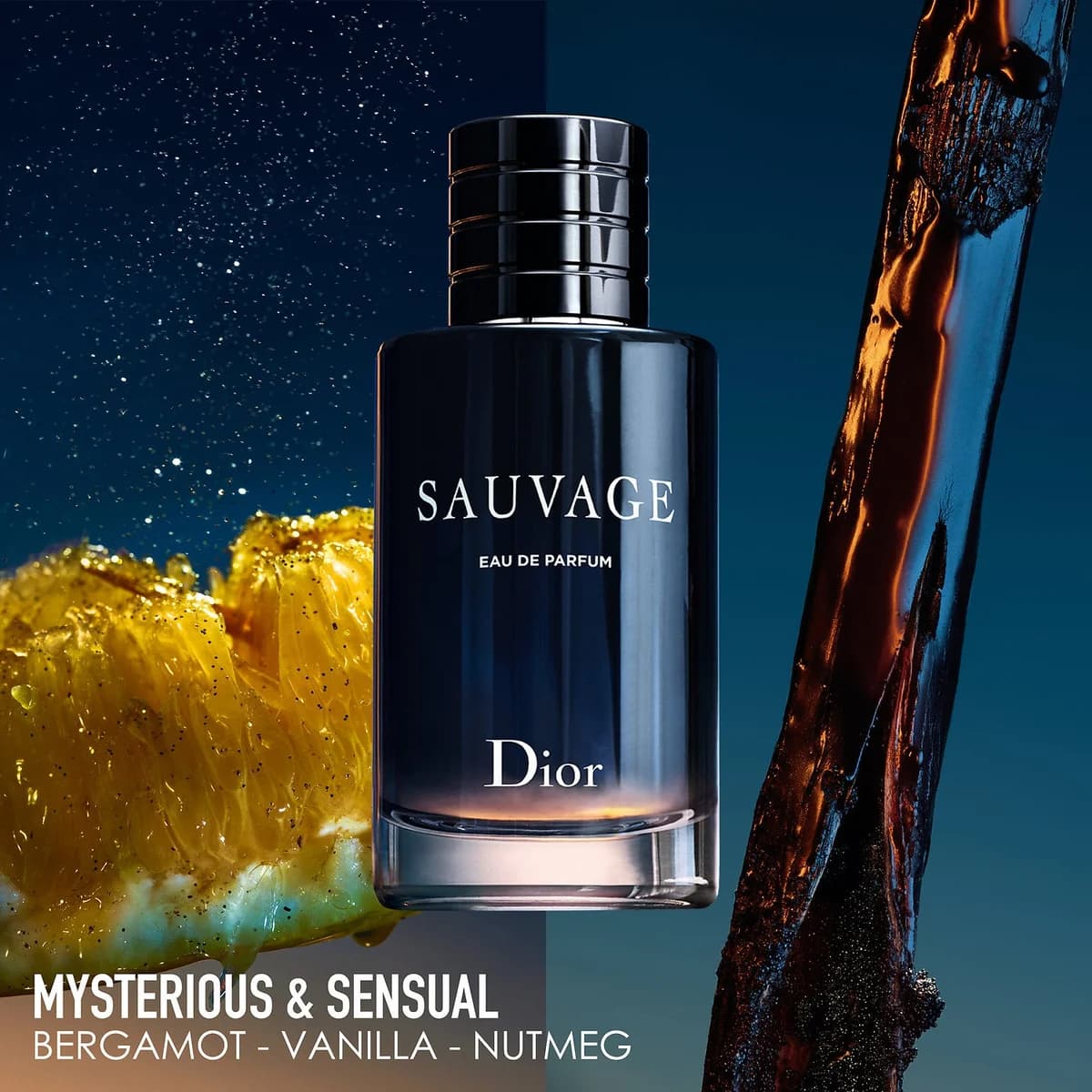
For most people starting out, EDP is the sweet spot - Dior Sauvage EDP gives you 8-10 hours of performance with proper projection for $130, while cologne disappears by lunch and parfum will bankrupt you.
Look, fragrance concentrations are the most misunderstood topic in the entire hobby. Walk into any Boots and some 19-year-old will tell you 'parfum lasts longer so it's better' while flogging you a $260 bottle that'll make you smell like a walking Yankee Candle. Meanwhile, half the internet thinks EDT means 'cheap' and cologne is just aftershave your dad splashed on after shaving.
Here's what actually matters: concentration affects how a fragrance develops, how long it lasts, and crucially, how much you'll pay per decent wearing. We've tested everything from $32 colognes that disappear faster than my will to live on a Monday morning, to $390 extraits that last so long your dry cleaner will smell them. The trick is knowing which concentration works for your lifestyle, budget, and tolerance for smelling like you've bathed in Tom Ford.
Featured Fragrances
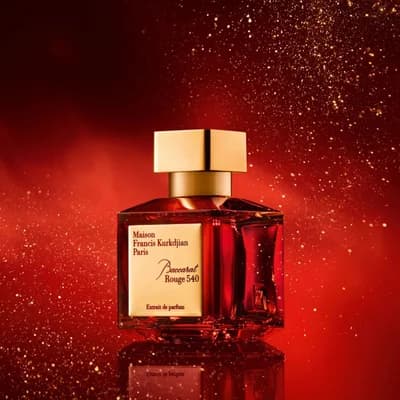
Nuclear-powered fragrance that proves why parfum concentration is the special occasion choice - 12+ hour longevity with projection so strong that 2 sprays will announce your presence to entire floors.
Demonstrates both the power and the pitfalls of extrait concentration.
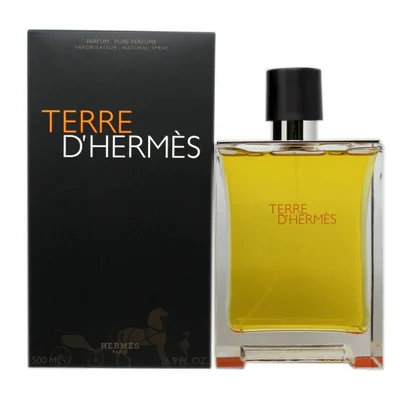
Demonstrates that parfum concentration isn't always about nuclear projection - this trades beast mode for sophisticated depth and complexity over 10+ hours.
Perfect example of sophisticated parfum concentration that prioritizes development over strength.
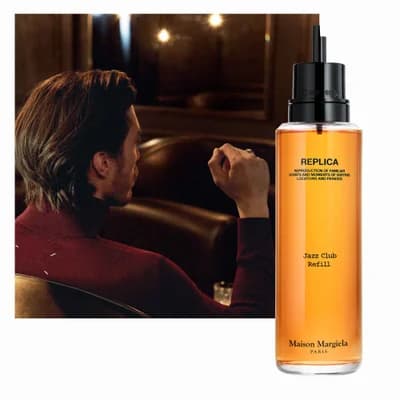
Shows that EDT can absolutely punch above its weight class - solid 6+ hour performance with proper projection for the first half, proving concentration percentages aren't everything.
Perfect example of why EDT remains the workhorse concentration for daily wear.
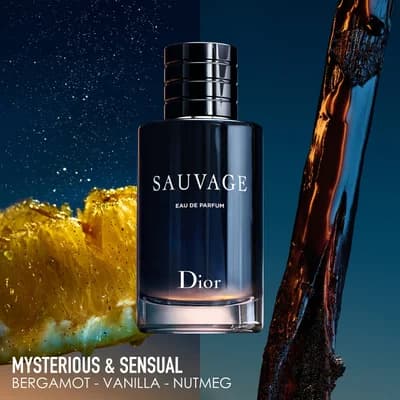
The gold standard for why EDP concentration dominates the market - 8-10 hours of reliable performance with proper projection that won't clear rooms. Yes, it's everywhere, but it's everywhere because it works consistently.
Perfect example of EDP concentration hitting the sweet spot between performance and wearability.
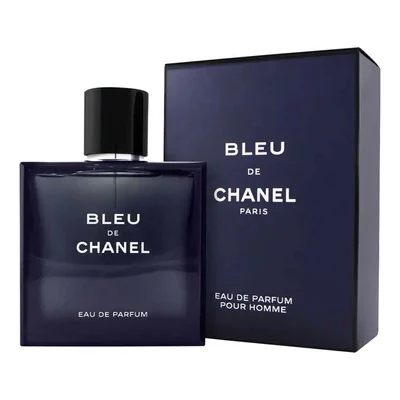
The sophisticated person's daily driver that proves EDP concentration can be refined rather than just powerful - 7-8 hours of grown-up blue fragrance performance.
Shows how EDP can prioritize quality over beast mode projection.
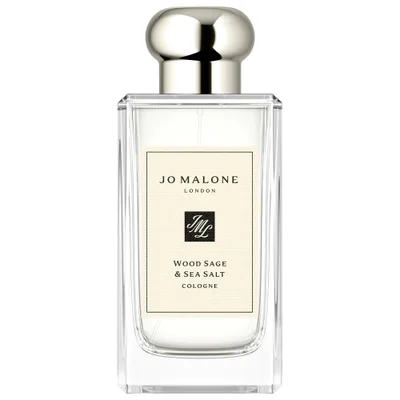
Beautiful for what it is, but the 2-3 hour longevity at $110 makes it expensive per wearing - only worth it if you genuinely prefer reapplying throughout the day.
Illustrates both the elegance and the limitations of cologne concentration.
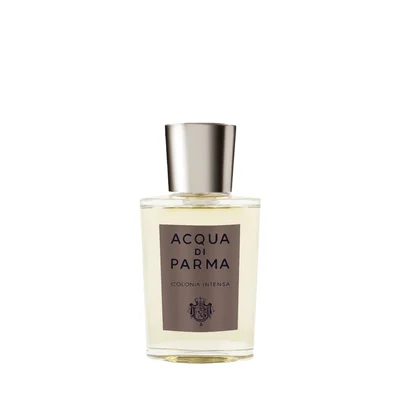
Timeless and beautiful, but at $140 for 2 hours of performance, it's paying luxury prices for vintage-era longevity - only worth it for the experience, not the value.
Shows the traditional cologne approach and why modern EDT usually makes more sense.
The Real Difference Between Concentrations (It's Not Just Strength)
Concentration percentages tell you how much aromatic oil is dissolved in alcohol. But here's what the marketing doesn't mention: higher concentration doesn't automatically mean 'better.' It means different performance, different price, and often a completely different smell.
The same fragrance in EDT vs EDP isn't just 'stronger' - the formula usually changes. More oil means different proportions, different development, different dry-down. Sauvage EDT smells like a blue citrus bomb. Sauvage EDP is creamier, deeper, with more prominent vanilla. They're essentially different fragrances that happen to share a name.
> Mariana: This is where people go wrong. They think buying the parfum version means getting 'more' of what they love in the EDT. Actually, you're often getting something completely different. I've seen clients buy Baccarat Rouge 540 Extrait expecting the EDP but louder. Instead, they get a denser, more medicinal opening that takes an hour to settle into something recognizable.
Cologne (2-4%): The Refreshing Sprint
Best for: Hot weather, office environments, people who reapply religiously, or anyone who gets bored wearing the same scent all day.
Jo Malone Wood Sage & Sea Salt is the poster child for why cologne isn't just 'weak perfume.' This British coastline fantasy gives you 2-3 hours of sophisticated marine freshness with sage and ambroxan playing beautifully together. You'll get compliments during morning meetings, then it politely disappears by lunch - which is actually the point.
The projection stays intimate (about arm's length), making it perfect for close-quarters work environments. But at $110 for what's essentially expensive soap that you'll spray 4 times a day, the cost-per-wear is brutal.
Acqua di Parma Colonia takes the traditional Italian approach - bergamot, lemon, and lavender in perfect harmony. It's the most expensive way to smell like you've just stepped out of a spa, but god damn if it isn't beautiful. The problem? At $140 for 100ml of something that lasts 2 hours, you're paying luxury prices for performance that belongs in 1960.
EDT (5-15%): The Versatile Workhorse
Best for: Daily wear, office environments, summer heat, and anyone who wants solid performance without breaking the bank or clearing rooms.
Maison Margiela Jazz Club EDT proves that eau de toilette can absolutely punch above its weight. This tobacco and rum gourmand projects strongly for the first 3 hours (about 2 feet), then settles into a skin scent that still reads as intentional for another 6 hours. The pink pepper and vanilla tobacco blend smells like the coolest speakeasy you've never been to.
At $130 for 100ml, it's the sweet spot for performance per pound. The only downside? It's become so popular that wearing it feels a bit predictable now.
EDTs work because they balance projection with wearability. You get noticed without gassing elevators. The alcohol evaporates quickly, giving you that fresh opening burst, then settles into something more intimate. Perfect for 90% of situations most people find themselves in.
EDP (15-20%): The Sweet Spot for Most People
Best for: All-day wear, making impressions, people who want to apply once and forget about it, and anyone stepping up from drugstore fragrances.
Dior Sauvage EDP is exactly why this concentration dominates the market. You get 8-10 hours of longevity with proper beast-mode projection for the first 4 hours. The bergamot and ambroxan combination projects about 3 feet initially, then becomes a noticeable skin scent. Yes, it's everywhere now, but it's everywhere because it works.
> Mariana: I tested Sauvage EDP during a July heatwave in New York. Still got compliments 6 hours later walking into dinner. That's what you're paying for - reliability. At $130 for 100ml, the cost-per-wear is actually reasonable.
Chanel Bleu de Chanel EDP gives you more sophisticated blue fragrance territory. The grapefruit and cedar blend feels grown-up, with 7-8 hours longevity and moderate projection that won't overwhelm colleagues. It's Sauvage for people who think they're too sophisticated for Sauvage (and they're probably right). The $150 price tag hurts, but the performance justifies daily wear.
EDP concentration hits the sweet spot: enough oil for proper longevity and projection, not so much that you smell cloying or synthetic. The alcohol-to-oil ratio means better development than EDT, without the density that makes parfum overwhelming.
Parfum/Extrait (20-40%): The Nuclear Option
Best for: Special occasions, fragrance enthusiasts, people who want maximum longevity, or anyone who enjoys explaining why they smell like a walking expensive candle.
Maison Francis Kurkdjian Baccarat Rouge 540 Extrait is what happens when you take the internet's favorite fragrance and turn it up to 11. This radiant sweetness from saffron, amberwood, and cedar projects like a beacon for the first 6 hours, then continues as a noticeable skin scent for another 6+. I'm talking 12+ hour longevity with nuclear sillage.
The problem? At $400 for 70ml, you're paying $5.70 per ml for something so potent that 2 sprays will clear a room. The medicinal opening takes practice to love, and wearing it to the office is basically chemical warfare.
Hermès Terre d'Hermès Parfum shows the sophisticated side of high concentration. The vetiver, cedar, and orange blend creates this earth-and-citrus depth that develops beautifully over 10+ hours. Projection is moderate (this isn't about beast mode), but the complexity justifies the $150 price tag.
Parfum concentration is about density and development, not just longevity. You get more nuanced dry-downs, better ingredient quality, and compositions that unfold over hours rather than minutes.
When to Choose Each Concentration
Summer/Hot Climate: Stick to cologne or EDT. Higher concentrations get cloying in heat and humidity.
Office Environment: EDT or light EDP. Anything stronger risks HR conversations.
Evening/Dates: EDP or parfum. You want presence and longevity for close encounters.
Daily Wear: EDP gives you the best balance of performance and wearability.
Special Occasions: Parfum for maximum impact and longevity.
Budget Conscious: EDT gives you the best performance per pound.
Price vs Performance: What You Actually Get
Here's the brutal truth: you're not just paying for more oil. You're paying for different formulations, better ingredients, and exponentially higher costs per ml.
- Cologne: $50-130 for 2-3 hours performance
- EDT: $65-155 for 6-8 hours performance
- EDP: $90-195 for 8-10 hours performance
- Parfum: $120-390+ for 10-12+ hours performance
The cost-per-wearing sweet spot is usually EDP. You'll use less product (2 sprays vs 4), get longer performance, and avoid constant reapplication.
> Mariana: I track cost-per-wear obsessively. Sauvage EDP at $130 for 100ml, worn 3 times a week, lasts about 8 months. That's $3.80 per wear for all-day performance. Compare that to Jo Malone cologne at $110 for 100ml, needing reapplication, lasting 4 months with daily use. The math isn't even close.
Sample First: Our Concentration Testing Strategy
Never blind buy different concentrations, even of fragrances you know. The same scent in EDT vs EDP can smell completely different.
Test Protocol:
1. Sample the concentration you think you want
2. Wear it for a full day in your typical environment
3. Note projection at 1 hour, 4 hours, 8 hours
4. Pay attention to how it develops, not just how long it lasts
5. If you love it but want more/less intensity, then try other concentrations
Most fragrance disappointment comes from buying the wrong concentration, not the wrong fragrance. That $260 parfum isn't necessarily better than the $105 EDP - it's just different.
Tips
- 1.Sample different concentrations of the same fragrance - they often smell completely different, not just stronger or weaker
- 2.Start with EDP concentration for most purchases - it gives you the best balance of performance, wearability, and cost per wearing
- 3.Use cologne concentration for hot weather and office environments where you want something noticeable but not overwhelming
The Bottom Line
For most people stepping up their fragrance game, EDP is where you want to live. It gives you proper longevity without the room-clearing intensity of parfum or the constant reapplication of cologne. Start there, then experiment once you know what you actually like wearing.
Frequently Asked Questions
What's the actual difference between EDT and EDP?
Is parfum concentration worth the extra money?
Are cologne concentrations too weak to be worth buying?
Which concentration is best for daily office wear?
Should I buy EDP or EDT for hot weather?
Do higher concentrations always last longer?
Related Guides
HOW TO
How to Choose a Fragrance Online Without Smelling It: 6 Expert Strategies That Actually Work
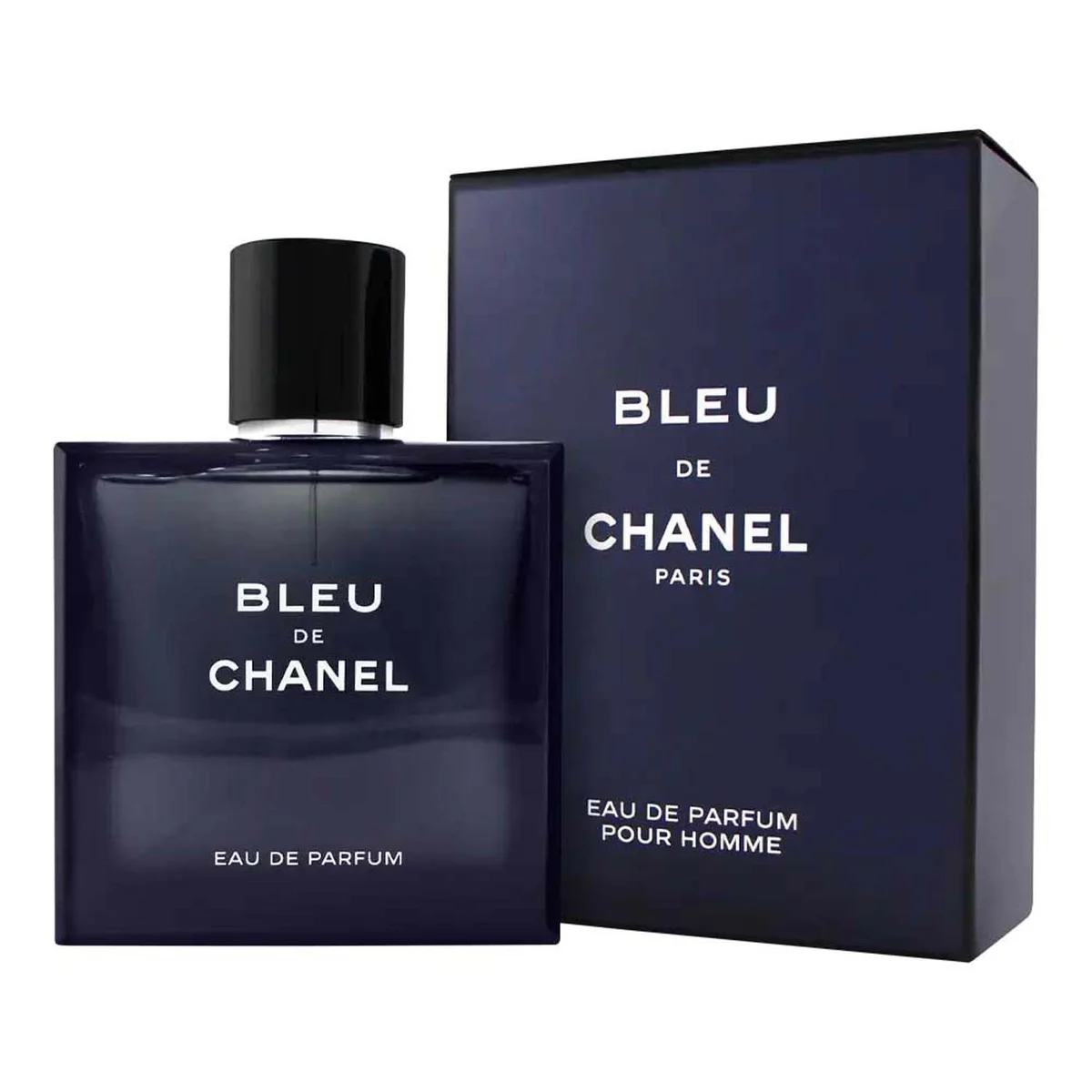
Use the 70-point blind buy safety rule: only buy unsampled if it scores 70+ on performance, compliments, and versatility. Start with Chanel Bleu de Chanel EDP - it's the safest expensive blind buy that actually delivers on sophistication without the batch lottery garbage.
HOW TO
Fragrance Families Explained: How to Find Your Signature Scent in 2026
If you're starting your fragrance journey, sample Chanel Bleu de Chanel EDP first - it's the perfect example of how a sophisticated blue fragrance should smell, giving you a proper reference point that 90% of modern men's fragrances are trying (and failing) to copy.
BEST OF
Best Office Colognes Under $150: Scents That Command Respect Without HR Complaints
Chanel Bleu de Chanel EDP wins for office environments. It gives you confidence-boosting luxury without the projection that'll get you passive-aggressive HR emails.