
HOW TO
Eau de Toilette vs Eau de Parfum: What's the Real Difference?
Understanding fragrance concentrations beyond the marketing hype
Last updated: August 25, 2026
Quick Answer
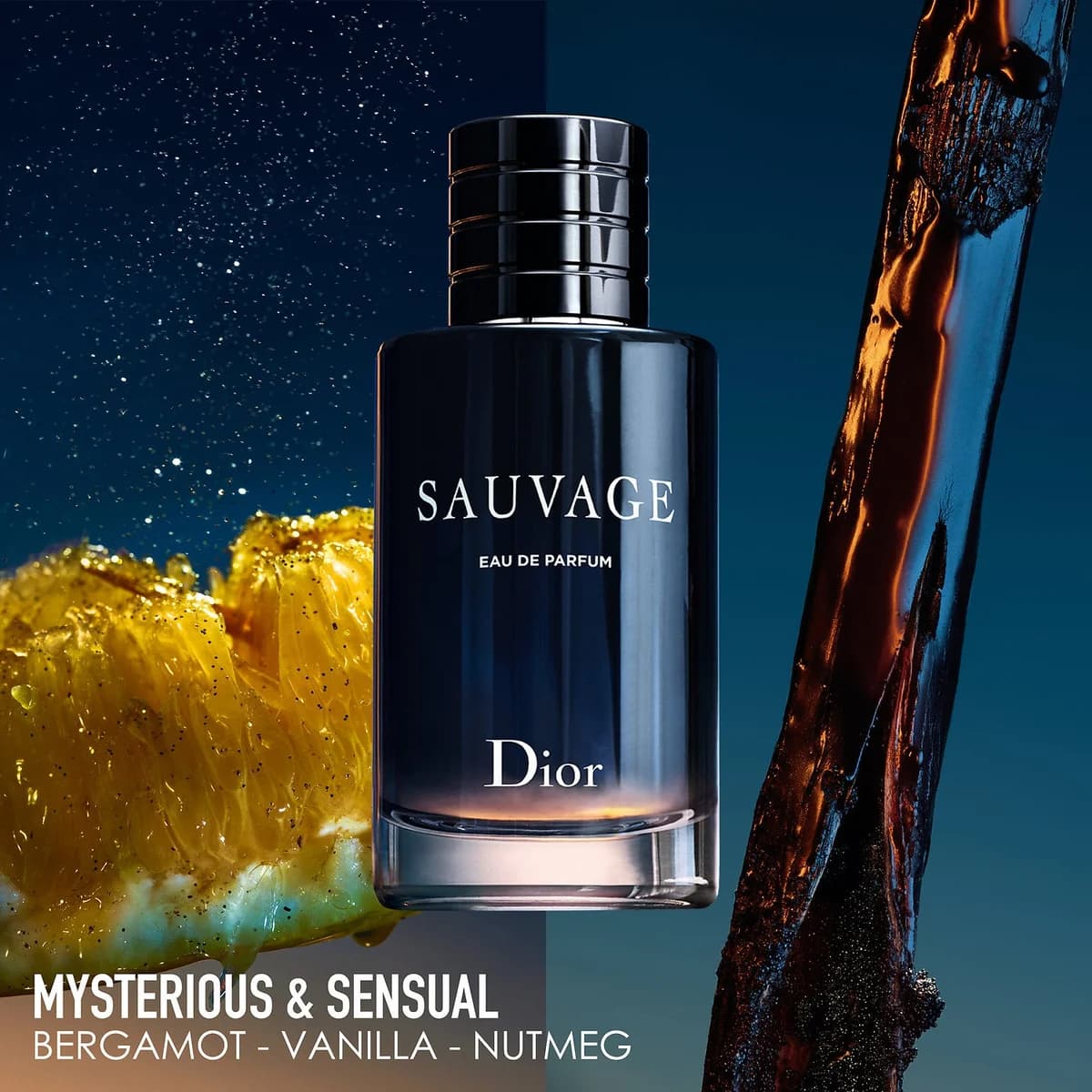
The real difference isn't just alcohol percentages - it's about how the same DNA behaves completely differently. Dior Sauvage EDP is my top pick because it proves the rule: the EDP version takes everything good about the EDT and makes it last twice as long without losing that nuclear projection.
Right, let's clear this up once and for all. Every fragrance guide on the internet will tell you EDT has 5-15% aromatic compounds while EDP has 15-20%, then call it a day. That's like explaining a film by reading the technical specs on the camera. You're missing the entire point.
The real difference is how the same fragrance DNA behaves when you mess with the concentration. Sometimes the EDP version is a completely different beast - smoother, richer, longer-lasting. Other times it's just the EDT with training wheels, duller and more expensive. And occasionally (and I cannot stress this enough) the cheaper EDT actually smells better. Let me show you what your money's really buying.
Featured Fragrances
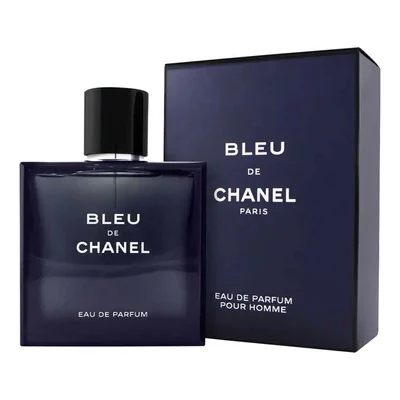
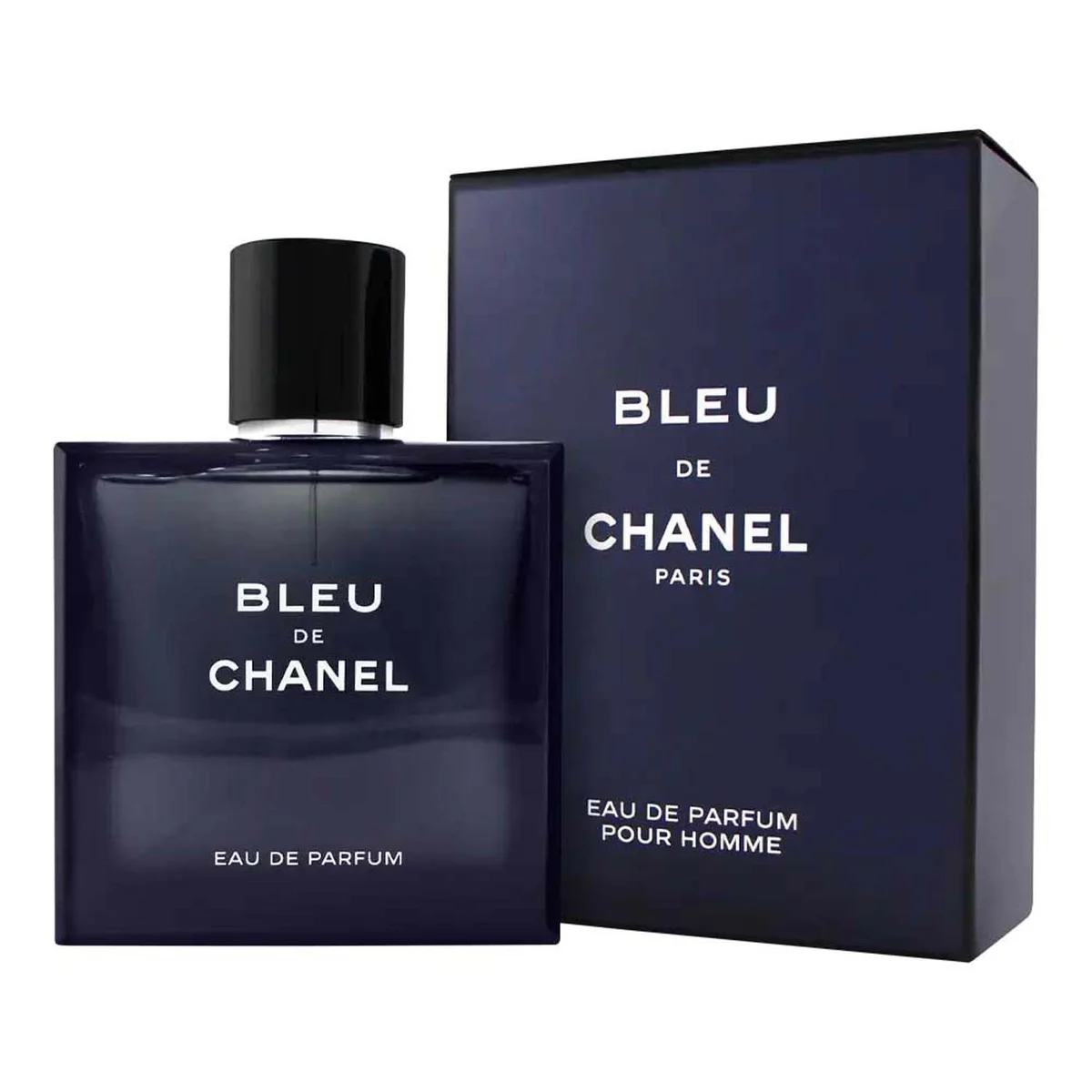
Sophisticated and well-made, but you're paying a premium for the Chanel name as much as the concentration. Better ingredients are noticeable, but not $50 noticeable.
Demonstrates luxury pricing vs concentration value.
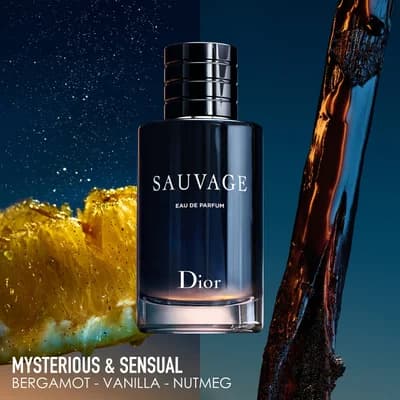
The perfect example of EDP done right - takes everything good about the EDT and makes it last twice as long without losing the projection. This is what you're actually paying for when you upgrade concentration.
Best example of how EDP can improve on EDT formula while justifying the price difference.
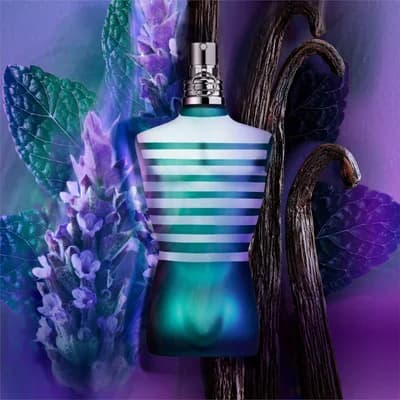
Proves that EDT doesn't mean weak performance - this beast outlasts most EDPs with its sweet barbershop charm. Shows why concentration rules have exceptions.
Perfect exception to the EDT performance rule.
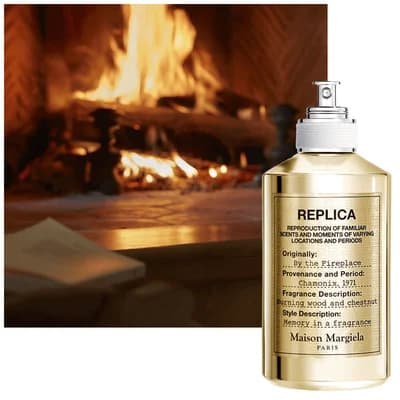
Deliberately kept as EDT because stronger would be overkill. Sometimes restraint's the point, and Margiela nailed the perfect concentration here.
Example of intentional EDT formulation for optimal effect.
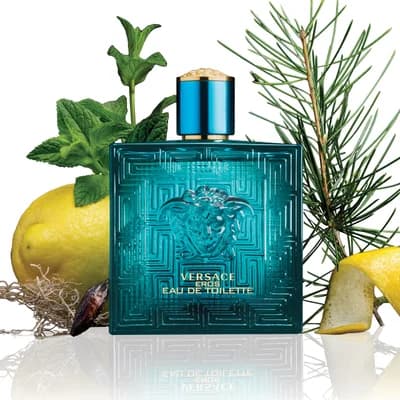
Massive performance from EDT concentration at a reasonable price. Not sophisticated, but effective and crowd-pleasing.
Shows good value EDT performance.
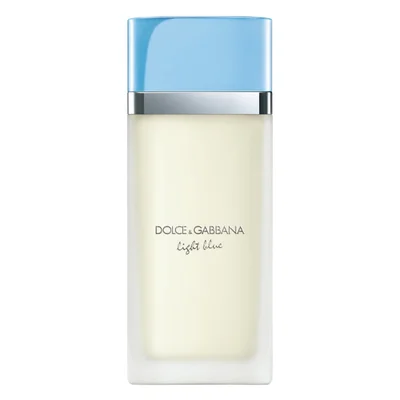
Beautiful while it lasts, but gone before you know it. The poster child for EDT performance disappointment and why you can't trust concentration alone.
Shows when EDT concentration fails to deliver expected performance.
The Concentration Breakdown: What Those Numbers Actually Mean
Look, the percentages matter, but not how you think they do. EDT (Eau de Toilette) sits around 5-15% aromatic compounds, EDP (Eau de Parfum) goes 15-20%. More oil means the fragrance sits on your skin longer instead of evaporating immediately. Simple physics.
But here's where it gets interesting - that extra oil doesn't just make things last longer. It changes the entire personality of the fragrance. The perfumer often tweaks the formula for different concentrations, emphasizing different notes, adjusting the balance. You're not just getting "more" of the same thing.
> Mariana's Take: Most people think stronger automatically means better. Wrong. I've tested fragrances where the EDT gets more compliments because the EDP version is too heavy, too rich. Concentration is about finding the sweet spot, not maxing out the numbers.
Performance Reality Check: When More Oil Doesn't Equal Better
The textbook says EDP lasts 6-8 hours, EDT lasts 3-5 hours. The textbook's lying to you.
Dolce & Gabbana Light Blue EDT is the perfect example of when concentration promises fall apart. Gorgeous Mediterranean opening with crisp apple and cedar, but it's gone faster than a pint at closing time. Three hours if you're lucky, two if it's warm. Meanwhile, Jean Paul Gaultier Le Male EDT will outlast most EDPs - that sweet lavender and vanilla combination just keeps going for 8+ hours with serious projection.
The real performance factors? Base notes, skin chemistry, and how much ambroxan the perfumer threw in. Concentration helps, but it's not the whole story.
The Same Fragrance, Different Personalities: EDT vs EDP Showdowns
This is where it gets genuinely interesting. Let's talk about Dior Sauvage - probably the most telling example of how concentration changes everything.
Sauvage EDT hits you with that pepper and bergamot blast, projects like mad for two hours, then settles into synthetic ambroxan territory. It's the fragrance equivalent of a nightclub at 1am - loud, attention-grabbing, slightly overwhelming.
Sauvage EDP takes that same DNA and makes it... sophisticated? The pepper's smoother, there's more vanilla in the base, and it lasts 8-10 hours without screaming. Same blueprint, completely different execution. The EDP version is what you wear to impress someone's parents. The EDT is what you wore when you were trying to get invited to meet them.
Maison Margiela By the Fireplace EDT shows another approach. The chestnut and smoke notes are beautifully balanced - not too sweet, not too smoky. You smell like you've been sitting by an actual fire, not like you've been chain-smoking vanilla candles. But Maison Margiela kept it as an EDT because stronger would be overkill. Sometimes restraint's the point.
Price vs Performance: Where Your Money Actually Goes
Chanel Bleu de Chanel EDP costs about $50 more than most EDTs in its category. What are you paying for? Genuinely better ingredients, smoother transitions between notes, and yes, that Chanel cachet. It's the sophisticated blue fragrance for people who think Sauvage's too obvious (and they're probably right). The grapefruit and cedar feel more natural, less synthetic. But is it $50 better? That depends how much you care about people knowing you're wearing Chanel.
Versace Eros EDT, meanwhile, gives you massive projection and 6+ hour longevity for half the price. That mint-vanilla combination is subtle as a brick through a window, but it works. You'll get compliments. You'll also smell like every other guy who shops at Boots, but sometimes that's not the worst thing.
The pricing game's simple: EDPs cost 20-40% more because they can, not because they should. You're paying for concentration, sure, but also for the psychology of "premium." Sometimes it's worth it. Often it's not.
The Exceptions That Prove the Rules
Every rule in fragrance has exceptions, and concentration's no different.
Le Male EDT shouldn't last as long as it does. That barbershop-meets-bakery combination of lavender, mint, and vanilla just refuses to quit. It's beast mode performance from an EDT concentration, probably because Jean Paul Gaultier loaded it with synthetic musks that grip onto your clothes and don't let go.
Then you've got Light Blue EDT - textbook fresh fragrance that should give you 4-5 hours but barely manages 2. The apple and cedar are lovely while they last, but they evaporate faster than your optimism on a Monday morning.
The lesson? Test before you buy, and don't assume EDP automatically means better value. Sometimes the EDT's the sweet spot the perfumer actually intended.
How to Choose: Match Concentration to Your Needs
Here's the brief (see what I did there?): Choose based on when and how you want to wear it, not just which one "performs better."
Go EDT if:
- You want something fresh for daytime
- You're in a hot climate
- You like to switch fragrances throughout the day
- You're testing a new style and don't want to commit to nuclear projection
Go EDP if:
- You want all-day performance from one application
- You're wearing it for evening or special occasions
- You've tested the EDT and wish it lasted longer
- You don't mind paying extra for smoother, richer development
But honestly? Start with samples of both if you're considering an expensive bottle. The difference between Sauvage EDT and EDP is worth experiencing firsthand. Your wallet will thank you, and you'll actually know what you're buying instead of guessing based on concentration percentages.
Right?
Tips
- 1.Sample both EDT and EDP versions before buying expensive bottles - the difference can be dramatic
- 2.Don't assume EDP automatically means better value - sometimes you're just paying for psychology
- 3.Match concentration to occasion: EDT for casual/daytime, EDP for evening/special events
- 4.Test performance on your skin, not just paper strips - concentration affects everyone differently
The Bottom Line
Look, concentration matters, but it's not the whole story. **Dior Sauvage EDP proves that sometimes the upgrade's worth it - better performance, smoother development, justified price.** But don't let percentages fool you into thinking more oil automatically means better fragrance. Test first, buy second, and remember that the best concentration's the one that works for your lifestyle, not your ego.
Frequently Asked Questions
What's the actual difference between EDT and EDP concentration?
Does EDP always last longer than EDT?
Why does the same fragrance smell different in EDT vs EDP?
Which concentration gives better value for money?
Should beginners start with EDT or EDP?
Do EDT and EDP project differently?
Related Guides
HOW TO
How to Choose a Fragrance Online Without Smelling It: 6 Expert Strategies That Actually Work
Use the 70-point blind buy safety rule: only buy unsampled if it scores 70+ on performance, compliments, and versatility. Start with Chanel Bleu de Chanel EDP - it's the safest expensive blind buy that actually delivers on sophistication without the batch lottery garbage.
HOW TO
How to Build a Fragrance Wardrobe: The Complete Guide (Budget to Luxury)
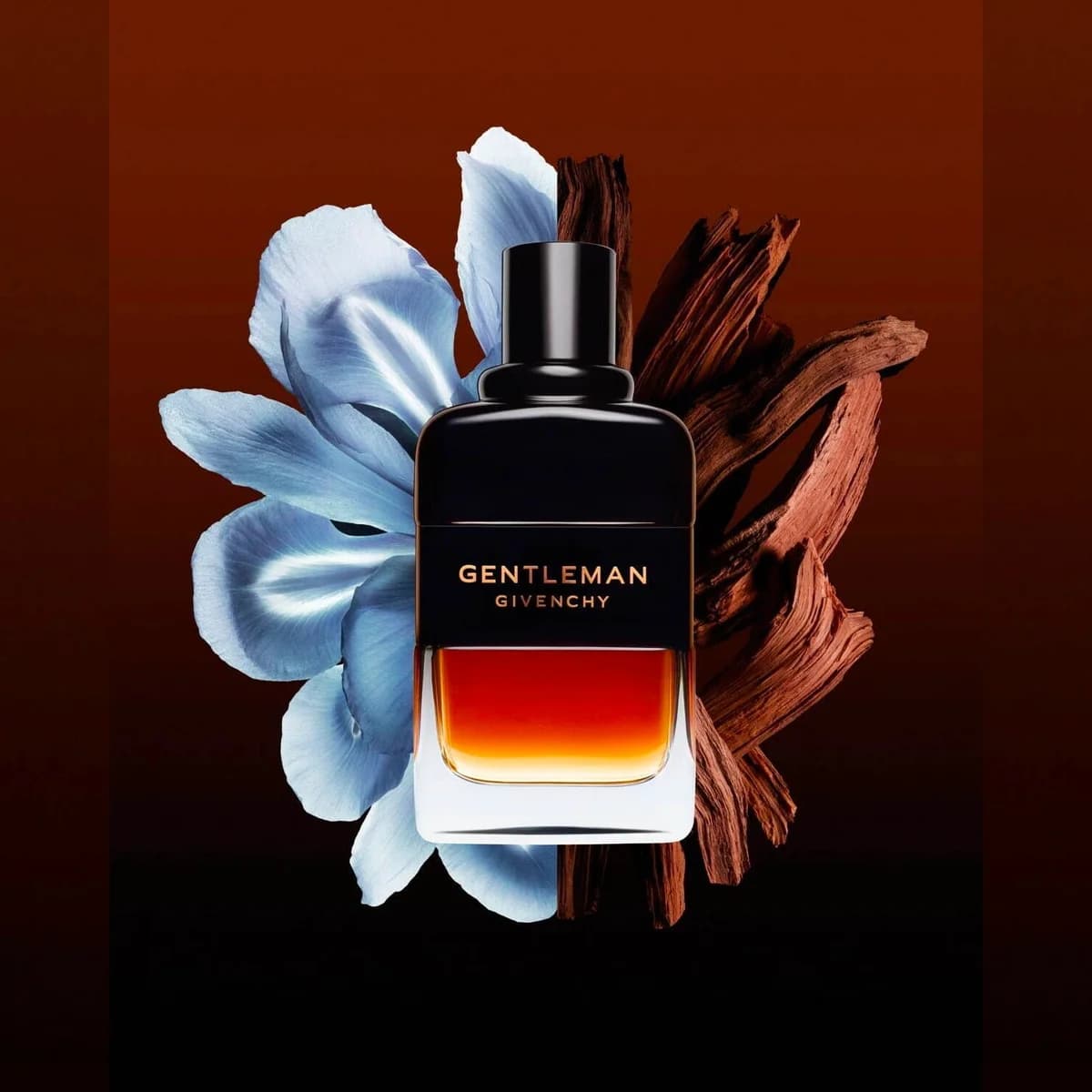
Start with Givenchy Gentleman EDP - it's the perfect foundation fragrance that works everywhere from boardrooms to dinner dates, teaching you how sophisticated fragrances should perform before you venture into more expensive territory.
HOW TO
Fragrance Families Explained: How to Find Your Signature Scent in 2026
If you're starting your fragrance journey, sample Chanel Bleu de Chanel EDP first - it's the perfect example of how a sophisticated blue fragrance should smell, giving you a proper reference point that 90% of modern men's fragrances are trying (and failing) to copy.