
BEST OF
Best Diptyque Perfumes 2026: A Brand Lover's Guide to Their Iconic Scents
Seven Diptyque scents ranked honestly — the masterpieces, the quiet gems, and the ones to sample first.
Last updated: May 1, 2026
Quick Answer
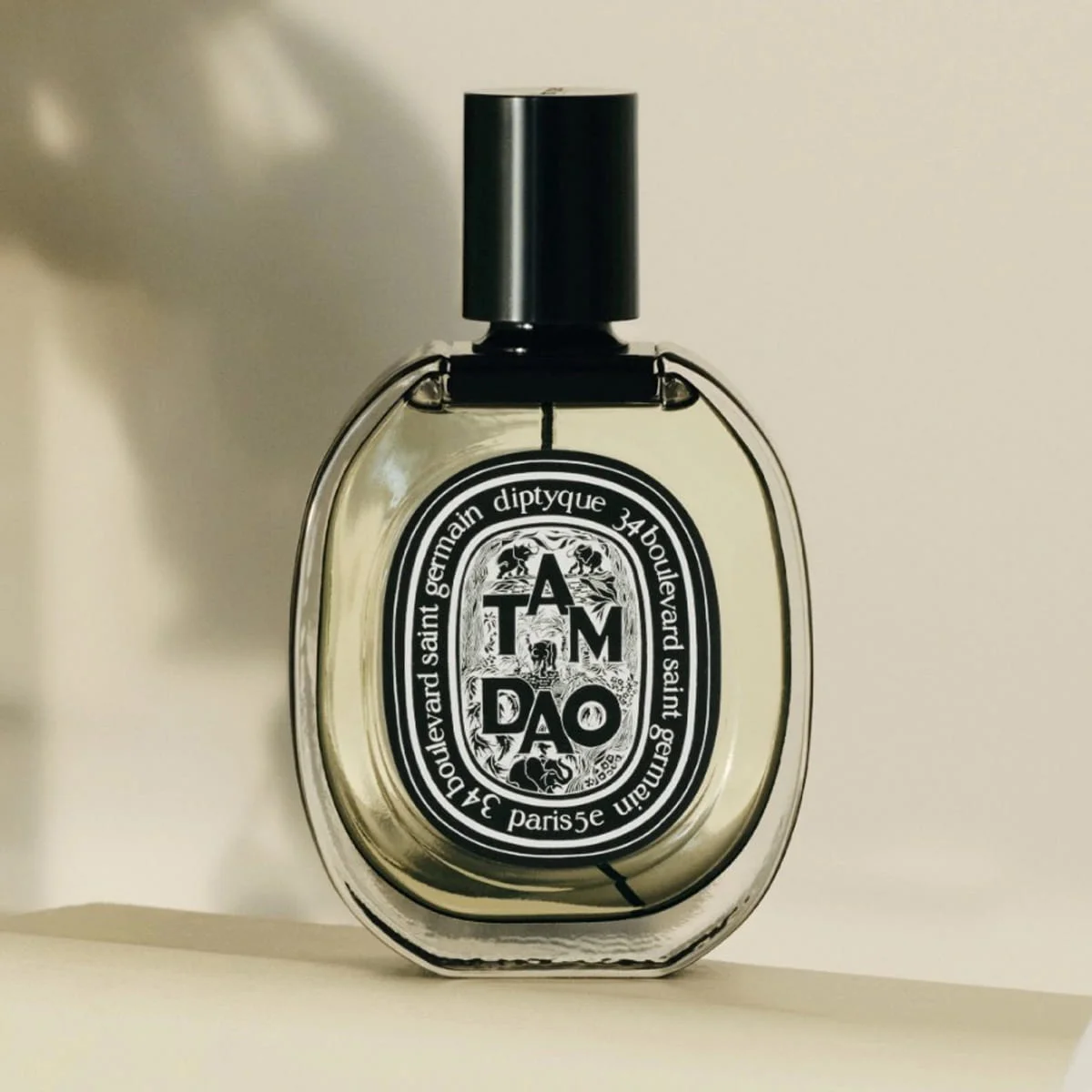
Diptyque Tam Dao EDP is the best Diptyque fragrance you can buy right now - it delivers one of the most authentic sandalwood accords in niche perfumery, wears beautifully across genders, and earns its $185+ price tag in a way most of the lineup honestly doesn't. If you want the one Diptyque bottle that will never embarrass you, this is it.
Let me save you some time. Diptyque makes beautiful fragrances. They also charge $185 for a 75ml bottle, and several of those bottles will project about as far as a whisper in a windstorm. Both things are true, and pretending otherwise is how people end up with a $200 skin scent they can barely smell on themselves.
I've worn, tested, and occasionally argued with every fragrance in this guide. Some of them I genuinely love. Some of them I love with caveats the size of the price tag. What I won't do is rank them by how nice the bottle looks on a vanity, or how much the brand's origin story about Parisian candles makes me feel cultured. I'll rank them by what they actually do - on skin, in rooms, in the real world where you're spending real money.
Here's the deal with Diptyque: the brand has an aesthetic point of view that's genuinely consistent and genuinely sophisticated. The problem is that 'sophisticated' and 'intimate projection' have become so synonymous in their lineup that you start to wonder if anyone there has ever wanted to be smelled from more than two feet away. This guide tells you exactly which bottles are worth the splurge, which ones you should sample first (most of them, honestly), and the one situation where the quiet projection is actually the whole point.
Featured Fragrances
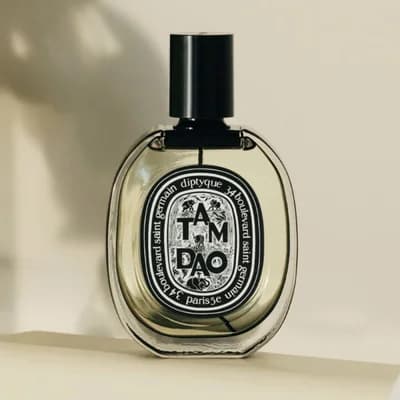
The best fragrance in the Diptyque lineup by a clear margin - the sandalwood quality is genuinely exceptional and it earns its price in a way most of the lineup doesn't. Intimate projection is the only real limitation, and if you know that going in, you'll love this for years.
Top-ranked fragrance in the guide and the only genuine blind-buy recommendation in the Diptyque lineup.
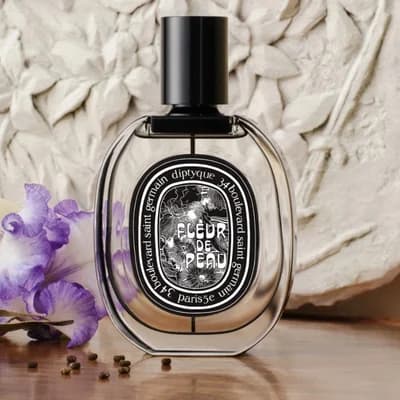
A masterclass in skin-scent construction that deserves its reputation - but skin chemistry is everything here, and the $175-$250 price tag is genuinely difficult to justify if your skin swallows it whole. Sample this multiple times before buying.
Second-highest ranked fragrance and the most important sampling recommendation in the guide due to extreme skin-chemistry variability.
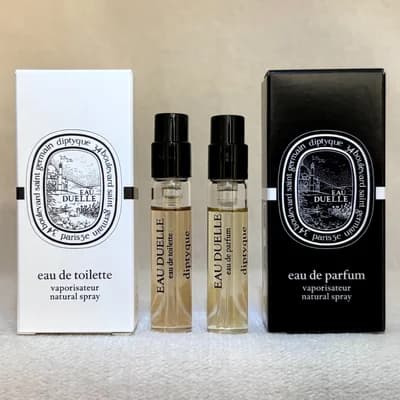
The most sophisticated vanilla in the lineup and a genuine achievement in restraint - but it fades to a whisper within 2 hours and doesn't work in warm weather, which makes the $185+ price tag a hard argument to make on performance grounds alone.
Third-ranked fragrance and the key example for the guide's central argument about Diptyque's projection problem versus price.
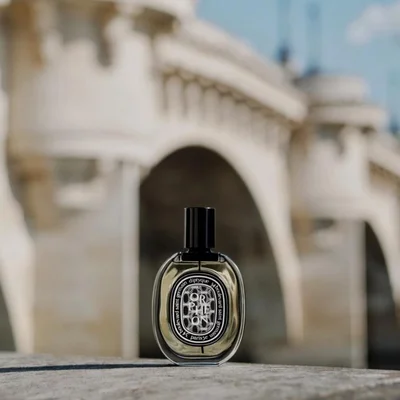
Beautifully constructed and genuinely versatile across genders and occasions - but moderate sillage at this price point means you're paying for Diptyque's editorial voice, not performance, and you need to be at peace with that going in.
Fourth-ranked fragrance and the best example of Diptyque's artistic strength in the smoky-woody category.
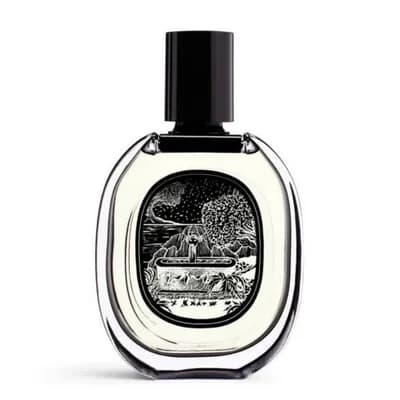
The most photorealistic fig fragrance in existence and a genuinely artistic piece of work - but the polarizing bitter opening, limited versatility, and near-zero compliment potential make this a specialist purchase rather than a wardrobe staple.
Represents the artistic-over-commercial end of the Diptyque spectrum and is essential to the guide's honest range of recommendations.
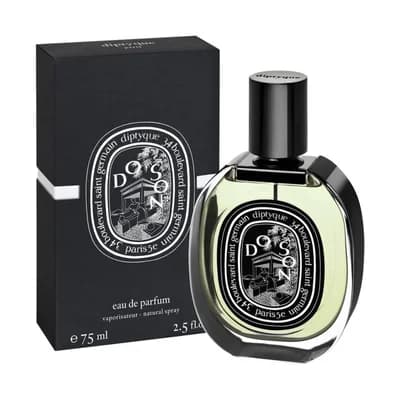
Refined, sophisticated, and genuinely beautiful as a close-wear tuberose - but it has deliberately removed the flower's seductive power in the name of restraint, and whether that trade is worth the price depends entirely on what you wanted tuberose to do for you.
Provides the EDP side of the Do Son concentration comparison and represents the refined-office end of the white floral category.
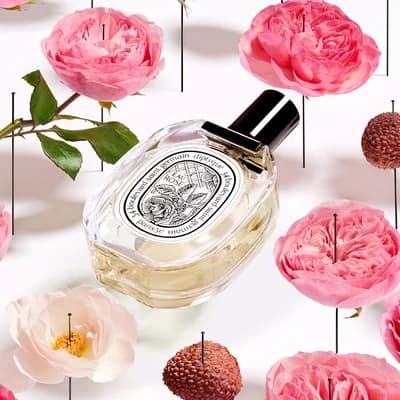
The best modern rose fragrance in the lineup and a genuine achievement for a category full of failure modes - but moderate longevity at premium pricing and limited cold-weather versatility hold it back from being a truly strong recommendation.
Represents the fresh floral category and provides the guide's most accessible entry point for rose fragrance fans.
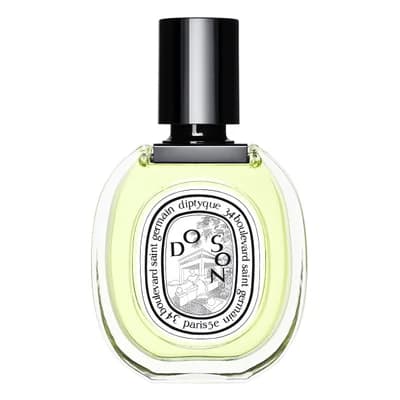
The thinner, less satisfying version of the Do Son concept - the marine opening is charming but the backbone disappears quickly, and at full Diptyque pricing the EDP is a clearly better use of the same money in the same fragrance family.
Included specifically for the EDT vs EDP concentration comparison section - essential for helping buyers choose between the two Do Son formats.
Why Diptyque? (And Why I'm Not Going to Pretend Every Bottle Is Perfect)
Diptyque has been making fragrances since 1968, which in the niche world is practically ancient history. The brand built its reputation on literary references, artistic collaborations, and a refusal to make anything that smells like a department store flanker. That integrity is real and it shows in the ingredient quality across the lineup.
What's also real: the price-to-projection ratio on several of these fragrances is genuinely difficult to defend. When you spend $185+, you're paying for quality raw materials, brand heritage, and beautiful packaging. You're not necessarily paying for a fragrance that announces itself when you walk into a room. If that's what you want - if you want people to turn around - Diptyque is probably not your house.
If you want something that rewards proximity, that reads as deeply personal rather than performative, that smells like you have actual taste rather than a large fragrance collection? Diptyque is one of the best at that specific thing. Know what you're buying.
> Jamie's Take: There's a reason Diptyque has survived fifty-plus years without a single celebrity collaboration and without ever putting a bottle in a shape that looks like a sports car. The brief has never changed. Whether that's integrity or stubbornness probably depends on how you feel about your projection distance.
---
The Ranking: All 8 Diptyque Fragrances Reviewed
#1 Tam Dao EDP - The Quiet Authority (Score: 84/100)
Best for: Professional settings, people who want to smell expensive without trying, anyone who's tired of synthetic sandalwoods. This is the fragrance for the person who has already made their point and doesn't need to repeat it.
Family: Woody, creamy oriental
This works. Here's why.
When a man wears Tam Dao near me, I notice it the way you notice a really well-made suit - not immediately, but then you can't stop noticing. The sandalwood here isn't the sharp, synthetic version that dominates most mainstream woody fragrances. It's creamy, slightly milky, with a rosewood and cypress backbone that keeps it from going soft. The EDP concentration adds a cedar depth that the EDT genuinely lacks - if you're choosing between the two, the EDP is worth the extra cost.
Key notes are sandalwood, cypress, rosewood, and a white tea element that opens the whole thing up in the first 20 minutes before the wood takes over completely. The dry-down is linear - and I mean that honestly. After the first hour, what you get is essentially what you'll have for the rest of the wear. Some people find that underwhelming. I find it efficient. It does one thing and it does it perfectly.
Performance is where you need to manage expectations: projection is intimate, about 2 feet maximum, and longevity on skin runs 7-8 hours in the EDP. This is a fragrance that works in meetings, close conversations, and anywhere you want to smell like the most composed person in the room without announcing yourself from across the hallway.
Price: $185-$225 for 75ml. Steep, but of all the fragrances in this lineup, Tam Dao is the one where the price feels closest to justified. The sandalwood quality alone earns it.
The honest con: You will not get compliments from across the room. My yia-yia, who believes a fragrance should arrive before you do, would have zero patience for this. If you want sillage, keep looking.
---
#2 Fleur de Peau EDP - The Skin Seducer (Score: 82/100)
Best for: Date nights, close-contact situations, anyone who wants to smell like the most irresistible version of their own skin. This is not a fragrance for the office - this is a fragrance for after.
Family: Floral musk, skin scent
The name translates to 'flower of skin' and Diptyque are not lying to you. The iris and musk combination here is one of the better things this house has ever done - cool, slightly powdery, then skin-warm in a way that reads as living rather than synthetic. When a man wears this, I find myself leaning in involuntarily and then feeling slightly embarrassed about it. That's the intended effect and it works.
Top notes open with a cool, almost metallic iris. The heart is musk and ambrette seed, which creates that skin-like warmth. The base is soft ambergris with a hint of sandalwood that keeps it from floating away entirely. It's genuinely masterful construction - there's almost no detectable transition between the fragrance and your skin by the second hour, which is either beautiful or maddening depending on what you were expecting.
Longevity is 6-8 hours, solid for how sheer this presents. Projection is intimate - 1-2 feet at most. Sillage is nearly zero. This fragrance exists in a six-inch radius around your body.
Price: $175-$250 depending on size. Let me be clear: the niche tax is real here. You're paying for restraint and sophistication, not performance. If you want compliments from people who aren't already in your personal space, this isn't your fragrance.
The honest con: A meaningful number of people will spray this and smell almost nothing. Skin chemistry matters enormously here - some skins amplify it beautifully, some swallow it whole. This is one of the most important fragrances to sample before buying. Seriously.
---
#3 Eau Duelle EDP - The Sophisticated Smoke (Score: 82/100)
Best for: Fall and winter evenings, people who want a vanilla that doesn't smell like a bakery or a body lotion. If you've given up on vanilla because everything you've tried has been cloying, try this before you close the door entirely.
Family: Oriental, smoky vanilla
Eau Duelle does something genuinely difficult: it makes vanilla smell like a grown-up. The key is the black tea note running through the heart - it adds a bitter, slightly astringent quality that stops the whole thing from collapsing into sweetness. There's also a light smokiness from an incense-adjacent note that keeps it restrained and slightly mysterious.
The dry-down becomes deeply skin-like after the first two hours - this is where it earns the comparison to Fleur de Peau. Both fragrances are doing a version of 'the smell of someone you can't stop thinking about,' just through completely different routes. Eau Duelle gets there through vanilla, smoke, and cardamom warmth. The cardamom opening is sharp and slightly boozy, then softens into something genuinely beautiful.
Here's the performance problem, and I'm not going to bury it: this fades to a skin-close whisper within 2 hours. Total longevity on skin is maybe 5-6 hours, but it's intimate for most of that. In warm weather, it can struggle to hold its shape at all.
Price: $185-$225 for 75ml. There are stronger-performing vanilla fragrances at significantly lower price points. You're paying for restraint and ingredient quality, not projection or staying power.
The honest con: Three-season versatility is limited. In July humidity, this becomes a different and less interesting fragrance. It's fall-winter-early spring or not at all.
> Jamie's Take: Eau Duelle is the fragrance equivalent of a really well-written press release - intelligent, restrained, clearly expensive, and doing absolutely nothing to grab your attention. Whether that's a compliment or a criticism is a matter of perspective. In my case, both.
---
#4 Orphéon EDP - The Cultured One (Score: 82/100)
Best for: People who want a smoky fragrance they can actually wear to work. People who think they don't like iris. Evening wear that crosses into the next day's early meeting without embarrassment.
Family: Woody floral, smoky iris
Orphéon is named after a legendary Parisian jazz club and it smells exactly like what that sounds like - cedar, iris, and a trace of cigarette smoke that's more memory than actuality. Something in this dry-down genuinely evokes a room full of jazz records, wood paneling, and the lingering presence of people who knew how to have a good time without making a scene about it.
The iris-cedar combination is the backbone. The smoke is present but calibrated - it reads as atmosphere rather than ashtray. The base dries down to a warm woody musk that pulls close to skin and stays there for hours. On skin, this runs 7-8 hours with moderate sillage for the first two hours, then settles into something intimate and personal.
This is a genuinely unisex fragrance - I've tested it on multiple people across genders and it flatters everyone without feeling like a compromise. That's hard to do in a smoky category that usually skews distinctly masculine or aggressively feminine.
Price: $185+ for 75ml. The price-to-performance ratio lags behind what true niche competitors at this price point deliver. You're paying for Diptyque's curation and ingredient quality, which is real, but a fragrance this quiet shouldn't cost this much.
The honest con: In summer on warmer skin types, a slightly sharp quality can develop in the iris note that's less appealing. This is predominantly a cool-weather fragrance.
---
#5 Philosykos EDP - The Polarizing Masterpiece (Score: 78/100)
Best for: People who genuinely love fig - not the idea of fig, actual fig. Worn in late summer or early autumn. People who want to wear something that will start a conversation, positive or negative.
Family: Green, woody fig
Let me be clear: Philosykos is a genuinely artistic fragrance. The fig accord here - fig leaf, fig wood, fig milk - is the most photorealistic recreation of a fig tree that perfumery has ever produced. Standing next to one in August, crushing a leaf between your fingers - that's what this is.
The opening is bitter. Actually bitter - green, slightly sour, with a milky creaminess underneath that arrives in the heart. The dry-down mellows into a warm, slightly woody fig skin that's recognizable and beautiful if you're a fig person. Longevity is good for a green fragrance - 6-7 hours - and the development from sharp green to milky warmth is the most interesting evolution of anything in this lineup.
The polarizing part: a meaningful percentage of people will smell the opening and find it unpleasant. My mother, who has strong opinions about everything, once described it as 'that thing you spray on yourself that smells like you sat in the garden too long.' She's not wrong, technically. She's just not the target market.
Price: Premium tier. The quality is there. The question is whether you're a fig person. If you're not sure, you absolutely must sample this before buying.
The honest con: This is one of the least versatile fragrances in the lineup. It's not a compliment magnet, it doesn't translate well to professional or formal settings, and it's genuinely, unapologetically linear after the first hour.
---
#6 Do Son EDP - The Whispered Tuberose (Score: 78/100)
Best for: Tuberose enthusiasts who want refinement over drama. Professional settings where you want to smell interesting without anyone being able to identify exactly why. People who find most tuberose fragrances overwhelming.
Family: White floral, creamy tuberose
Do Son takes tuberose - a flower that is, by its nature, a showoff - and persuades it to lower its voice. The result is sophisticated, genuinely beautiful, and quiet enough to work in an office without anyone flagging you for the all-hands meeting on fragrance policies. The tuberose is supported by rose and a light aquatic trace that reads as sea air, grounding the whole thing in a specific place (the coast of Vietnam, per the official story, which is actually charming).
The refinement is real and the quality of the composition isn't in question. Longevity runs 6-7 hours. Projection after the first hour is intimate at best.
Price: Premium tier. Here's where I have to say something uncomfortable: tuberose has seductive soul by definition, and Do Son EDP has deliberately removed most of it in the name of refinement. Whether that's worth the price depends entirely on what you want tuberose to do for you. If you want it close and quiet, this delivers. If you want the full flower, you'll feel like you paid a lot of money for half a result.
The honest con: Projection is weak after the first hour. At this price point, that's genuinely hard to justify unless the intimacy is precisely the point.
---
#7 Eau Rose EDT - The Rose That Finally Gets It Right (Score: 78/100)
Best for: Rose skeptics. People who've been burned by powdery or grandmotherly roses. Office wearers who want something pretty without being cloying. Spring and early summer.
Family: Fresh floral, contemporary rose
Rose is the hardest floral to do well because the failure modes are everywhere - too powdery, too old-fashioned, too synthetic, too sweet. Eau Rose avoids all of them. This is a clean, slightly dewy rose with a fresh green quality that keeps it modern and wearable. No powder, no talcum, no association with the perfume your great-aunt wore to church.
The construction is straightforward - rose at the center, supported by litchi and peony in the opening and musk in the base. It doesn't try to be more than it is, which is refreshing at this price point. Office-appropriate without being forgettable. The atomizer and bottle quality are genuinely excellent, which matters more than people admit when you're using something every day.
Longevity is moderate - 5-6 hours, which is a legitimate downside at this price. Projection is light from the start.
Price: Premium tier. Moderate longevity for the cost is a real issue. This is pleasant, wearable, and a genuine achievement in the rose category, but it's not a fragrance that will stop anyone in a hallway.
The honest con: Seasonal versatility is limited - this is a spring-summer fragrance that doesn't have much to offer in cold weather. And for a rose fragrance, it may be too subtle for people who actually want to smell of roses.
---
Do Son EDT vs EDP - Which Concentration Should You Buy?
Short answer: the EDP.
The Do Son EDT scores 72/100 compared to the EDP's 78/100 and the gap isn't just about longevity. The EDT strips out the remaining depth in the tuberose and replaces it with a marine quality that reads as thin rather than refined. The creaminess is present but the backbone isn't. If you like the Do Son concept at all, the EDP is where it actually delivers on the premise. The EDT is the sketch; the EDP is the finished work.
The EDT does have marginally better projection in the opening 30 minutes. After that, you're paying full Diptyque price for something that fades faster and has less to say. If the EDT is significantly cheaper in your market, sample both. If the prices are close, the EDP is the automatic choice.
---
The Diptyque Projection Problem: What You're Really Paying For
I'm going to say this directly: if you're buying Diptyque fragrances expecting the projection and performance you'd get from mainstream designer fragrances, or even from comparable niche houses, you will be disappointed. Repeatedly. The entire lineup trends intimate.
This is not an accident. Diptyque is making a specific aesthetic choice - skin scents, personal radiance, the idea that fragrance is something intimate rather than atmospheric. That choice is valid and several of these fragrances do that specific thing beautifully.
What's not valid is charging $185-$250 for a 75ml bottle without being transparent about the fact that you're paying for quality, restraint, and brand curation rather than performance. I was in a meeting last week where... actually, never mind. The point is, professionals in this industry know exactly what Diptyque's positioning costs and why. As a consumer, you should know it too.
The test for whether Diptyque is right for you: do you care more about how you smell to someone standing close to you, or how you smell to a room? If it's the former, this house is for you. If it's the latter, there are better options at lower price points.
---
How to Sample Before You Spend $185+ on a Bottle
Of the eight fragrances in this guide, I'd confidently blind-buy exactly one without sampling first: Tam Dao EDP. Everything else has a skin-chemistry variable, a polarizing note, or a projection reality you need to experience on your own skin before committing.
Rules for sampling Diptyque specifically:
- Wear each sample for a full day, not just a 10-minute store test. The dry-down on several of these (Eau Duelle, Fleur de Peau, Orphéon) is where the actual magic is, and it takes time.
- Test in the season you'd actually wear it. Philosykos in winter and Philosykos in late August are almost different fragrances.
- If you're testing Fleur de Peau and you think you smell nothing - wait two hours and then ask someone close to you. Skin chemistry on this one is everything.
- The Do Son EDT vs EDP question is genuinely worth testing side by side if you're interested in that fragrance. The difference is more significant than most concentration comparisons.
Sampler sets and decants are widely available. Spend $10-15 before you spend $185. This is not complicated.
> Jamie's Take: The fact that Diptyque doesn't have a robust sampler program for a lineup at these prices is a genuine brand strategy question I'd love to be in the room for. Are they protecting the in-store experience? Are they assuming their customer is beyond sampling? Either way, the fragrance community has solved this for them. Use it.
Tips
- 1.Sample Fleur de Peau on your actual skin for a full 8 hours before buying - this is the most skin-chemistry-dependent fragrance in the lineup and a 10-minute store test will tell you almost nothing useful.
- 2.If you're choosing between Do Son EDT and EDP at similar price points, buy the EDP. The EDT's marine opening is pleasant but the depth and longevity gap is significant enough to make it a clear call.
- 3.Apply Tam Dao EDP to pulse points and clothing edges rather than open skin - the sandalwood accord projects better when it has something to hold onto, which partially addresses the intimate projection limitation.
The Bottom Line
Tam Dao EDP is the one Diptyque fragrance that earns its price tag without major caveats - the sandalwood quality is exceptional and it delivers quiet authority that works across almost every context you'd need a fragrance for. For everything else in the lineup, sample first, know what you're paying for (restraint and quality, not performance), and don't spend $185 on a Diptyque blind unless your skin chemistry has been confirmed in person. The house is genuinely great at one specific thing - and if that thing is what you want, there's almost nothing better.
Frequently Asked Questions
What is the best Diptyque perfume for the office?
Does Diptyque have good longevity and projection?
What does Diptyque Fleur de Peau smell like?
Is Diptyque Philosykos a year-round fragrance or more seasonal?
What's the difference between Diptyque Do Son EDP and Do Son EDT?
Is Diptyque worth the price compared to other niche fragrance brands?
Related Guides
SIMILAR TO
Molecule 01 Alternatives: 5 Minimalist Iso E Super Skin Scents Worth Trying
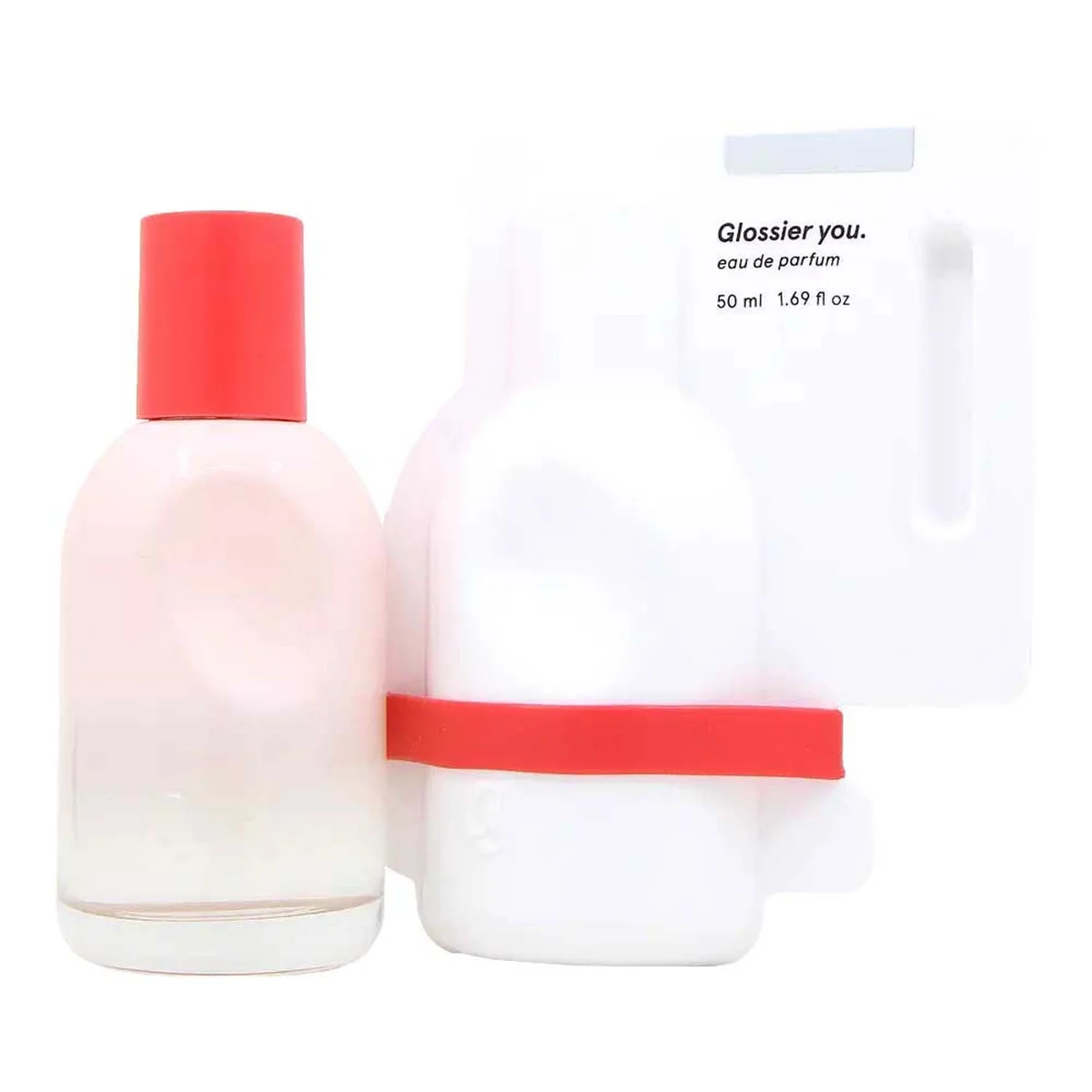
If Molecule 01 leaves you smelling nothing - or just smelling like you spent $60 on air - Glossier You EDP is your best entry point into skin-scent minimalism that actually shows up. It has the same 'what is that?' intimate magnetism, but with real longevity (8+ hours) and a warm, musky presence that people actually notice at close range.
SAMPLER HUB
Best Niche Fragrance Discovery Sets 2026: 12 Tested, Only 3 Worth Buying
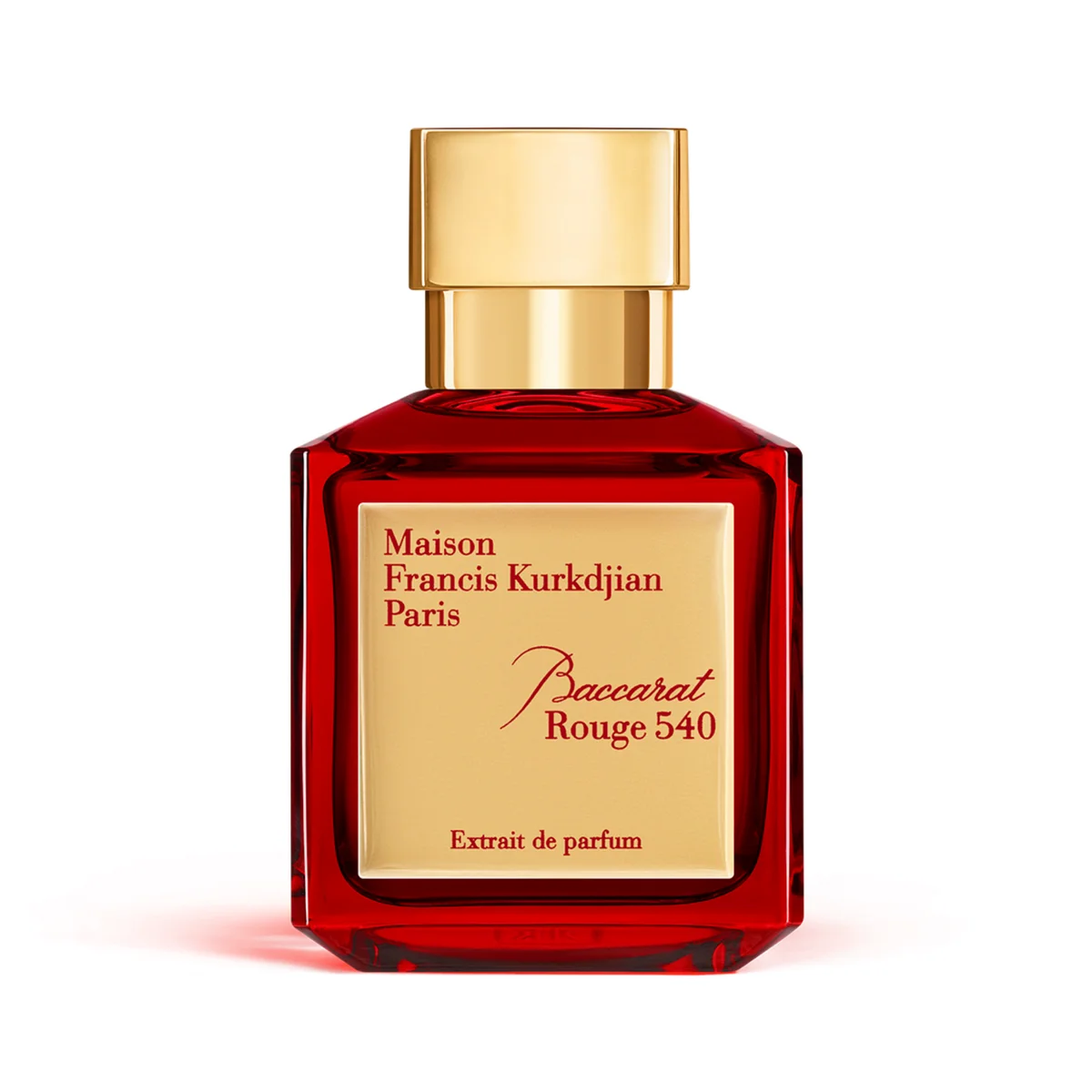
Tom Ford's Private Blend Discovery Set is your best entry point into niche fragrances because it includes genuinely wearable luxury (Oud Wood, Lost Cherry) alongside actual conversation starters (Black Orchid) at roughly $16 per sample - expensive but fair for what you're getting.
BEST OF
Best Amouage Fragrances 2026: The Niche Powerhouse, Decoded
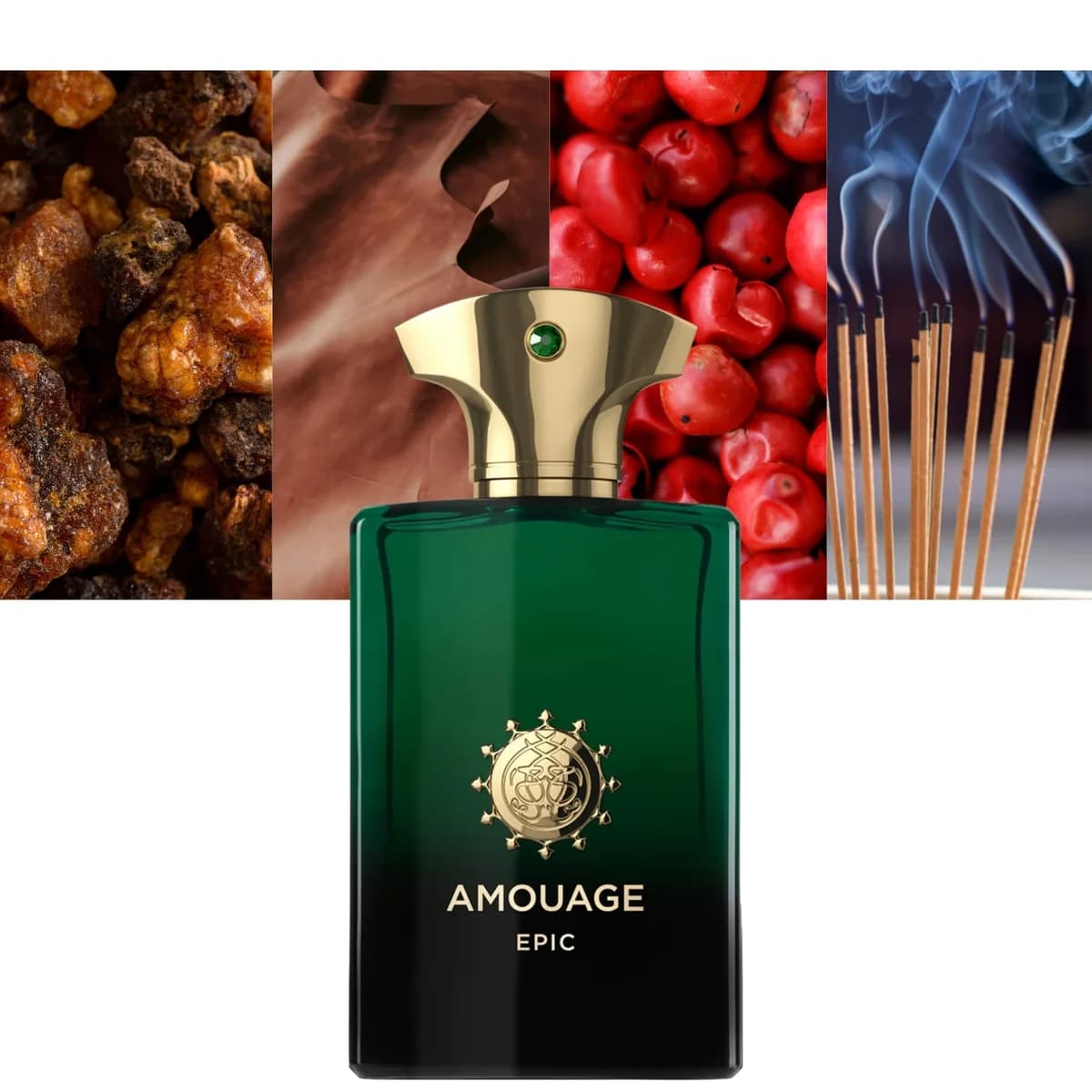
Amouage Epic Man EDP is the one bottle that earns the house's reputation on its own - a layered, ancient-feeling oriental that lasts 10 to 14 hours with nothing on the designer shelf that comes close. If you're going to spend $325 on a single fragrance, this is the one that justifies the conversation.